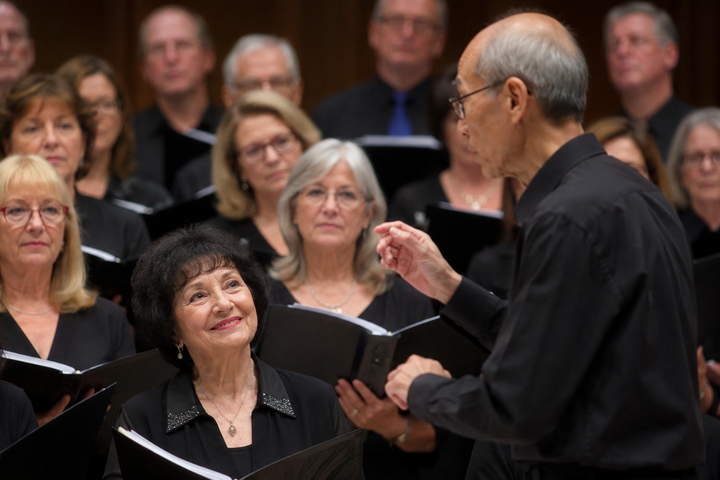
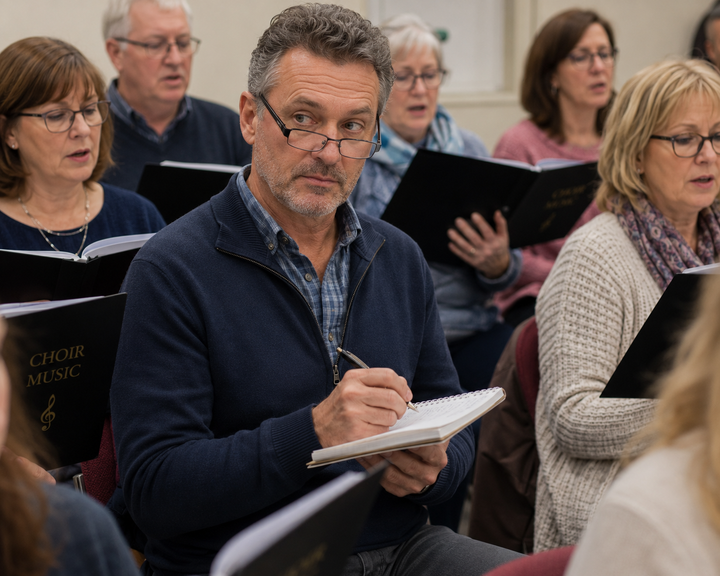
The Choir's Self-Appointed Assistant Conductor
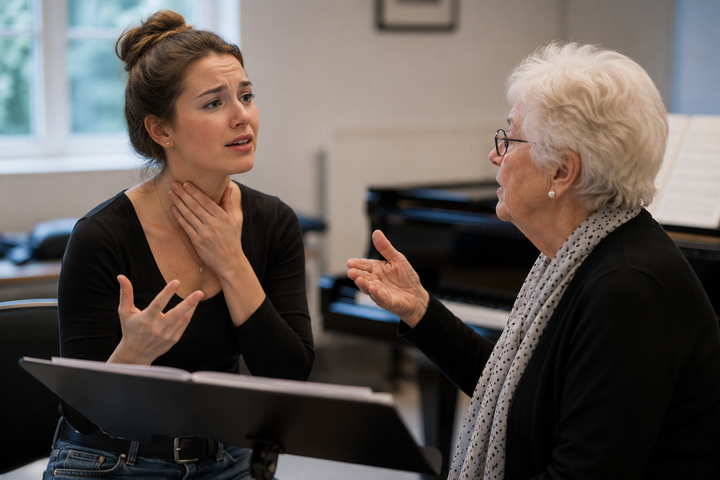
Many Assistant Conductors also develop expertise in balance, diction and vocal technique. A neighbouring singer may suddenly find themselves receiving whispered observations about vowels, breathing or consonants despite never having requested a consultation.
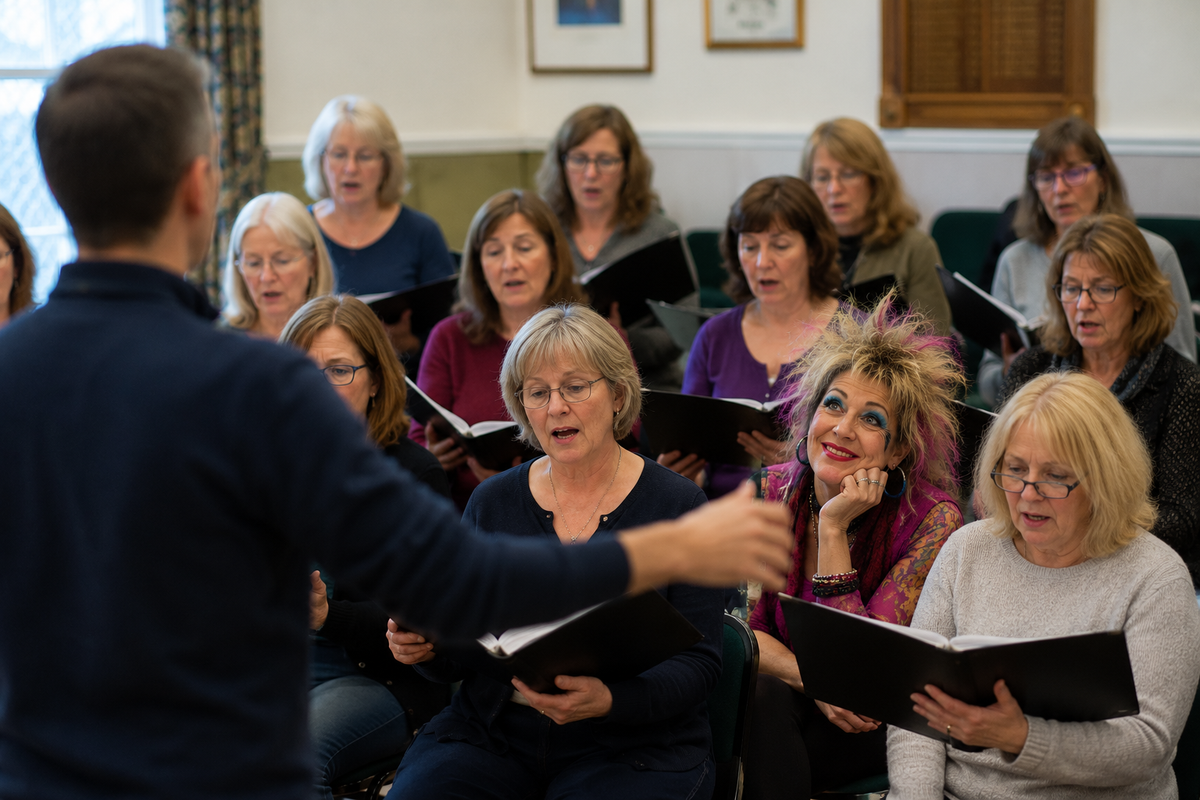
Every choir has one. They have never studied conducting, have never stood on the podium and have certainly never been invited to assist. Yet somehow they have appointed themselves Deputy Musical Director and are quietly getting on with the job.
You can usually spot them within the first few minutes of a rehearsal.
While everybody else is watching the conductor, they are conducting as well.
Not in an obvious way, of course. That would be ridiculous.
Instead, there is a subtle beat pattern emerging from somewhere in the second row. A gentle pulse of the hand. A discreet nod of the head. Occasionally a raised eyebrow intended to signal an important entry.
To the untrained eye it may appear harmless.
To neighbouring singers, however, it can feel like being directed by two conductors simultaneously.
The fascinating thing is that the Self-Appointed Assistant Conductor genuinely believes they are helping.
They are not trying to take over. They are not staging a coup. They simply feel a profound responsibility to ensure that everybody around them remains rhythmically aligned with civilisation.
Should a nearby singer glance momentarily away from the podium, the Assistant Conductor springs into action. A quick downward movement of the hand appears. A meaningful nod follows. Occasionally an entire phrase is guided through a series of facial expressions that would not look out of place in silent film.
The role expands significantly during concerts.
This is when the Assistant Conductor reaches peak performance.
Every cut-off is anticipated. Every ritardando is physically experienced. Every dynamic change is accompanied by a visible reaction. Audience members sitting nearby may wonder why one member of the choir appears to be involved in an entirely separate interpretative dance performance.
Particularly advanced examples have been known to give cues.
The conductor indicates an entry from the front of the stage. At precisely the same moment, the Assistant Conductor indicates the same entry from the alto section. Nobody is entirely sure which cue arrived first.
What makes the phenomenon especially remarkable is that it rarely remains confined to conducting.
Many Assistant Conductors also develop expertise in balance, diction and vocal technique. A neighbouring singer may suddenly find themselves receiving whispered observations about vowels, breathing or consonants despite never having requested a consultation.
The Assistant Conductor is also highly active during workshops.
If a guest conductor visits, they can often be seen observing proceedings carefully, silently comparing techniques and occasionally nodding approvingly when something aligns with their own developing philosophy of choral leadership.
One suspects that if given access to a baton, events could escalate rapidly.
Of course, there is usually something rather endearing about these individuals.
Their enthusiasm comes from a genuine love of the choir. They care deeply about the music and want the ensemble to succeed. Their methods may occasionally stray beyond their job description, but their intentions are generally admirable.
Besides, most choirs secretly rely on them more than they would ever admit.
If the conductor is delayed by traffic, the Assistant Conductor is mentally prepared.
If the accompanist is absent, they have thoughts.
If the seating plan changes unexpectedly, they have concerns.
And if the Musical Director ever announces their retirement, there is a reasonable chance that somebody in the second row has already prepared a five-year artistic vision document.
Until that day arrives, however, they will continue their quiet work.
Beating time.
Giving cues.
Nodding meaningfully.
And conducting an entirely separate rehearsal from the comfort of their own seat.