How to Run a Choir Committee
Nothing frustrates members more than leaving a meeting uncertain about what has actually been agreed. Every significant discussion should conclude with a clear outcome.
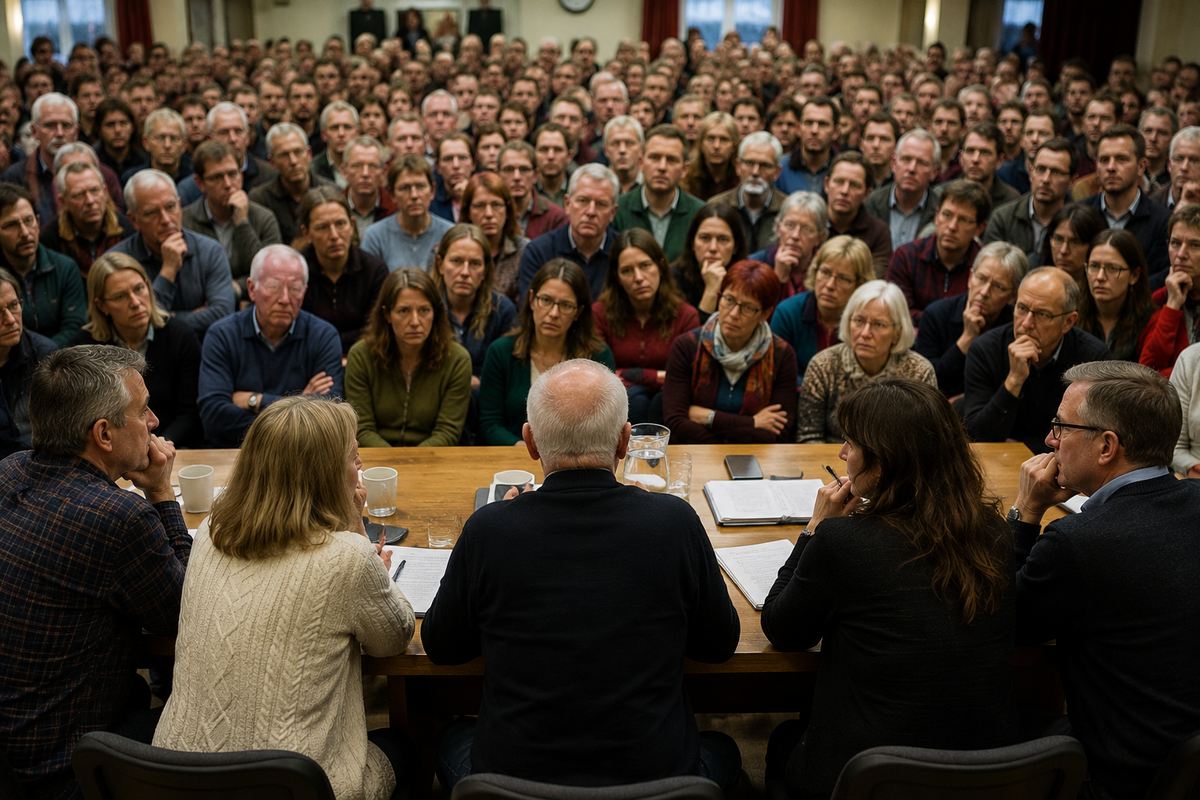
Turning Meetings Into Progress
Most choir committees begin with the best of intentions.
Members volunteer because they care about the organisation. They want to support the choir, help it grow and contribute to its success. Yet many committees eventually find themselves facing the same frustrations. Meetings run too long. Discussions circle endlessly. Decisions are delayed. The same topics appear on every agenda and, despite everyone's efforts, progress feels slower than it should.
The problem is rarely a lack of commitment.
More often, it is a lack of structure.
Successful choir committees understand that their purpose is not simply to meet. Their purpose is to lead. Every meeting should help move the organisation forward, whether through strategic planning, decision-making, problem-solving or oversight. Once this principle is understood, many of the common difficulties associated with committee work begin to disappear.
One of the most important distinctions a committee can make is between governance and administration.
Governance involves setting direction, establishing priorities, monitoring performance and making decisions about the future of the organisation. Administration involves the day-to-day tasks required to keep the choir operating. Effective committees spend most of their time on governance. Ineffective committees often become consumed by administration.
A committee meeting should not spend twenty minutes debating the design of a concert poster or the colour of tablecloths for a fundraising event. Those matters may be important, but they are rarely strategic. The committee's role is to ensure that appropriate people are managing those tasks effectively, not to become directly involved in every detail.
Preparation is another critical factor.
The quality of a committee meeting is usually determined before anybody enters the room. Agendas should be circulated in advance. Relevant information should accompany agenda items. Reports should be distributed before the meeting rather than read aloud during it. Committee members who arrive prepared are far more likely to contribute meaningfully and help discussions move efficiently.
The Chairperson plays a particularly important role in this process.
Good Chairs understand that meetings require leadership. Discussions need to remain focused. Contributions need to be encouraged. Decisions need to be reached. One of the most common mistakes made by inexperienced Chairs is allowing every discussion to continue indefinitely. While consultation is important, committees exist to make decisions. There comes a point when further discussion simply repeats arguments that have already been made.
Committees also benefit from clarity regarding decision-making.
Nothing frustrates members more than leaving a meeting uncertain about what has actually been agreed. Every significant discussion should conclude with a clear outcome. Who is responsible? What needs to happen? When should it be completed? Without this clarity, meetings become conversations rather than instruments of progress.
Another hallmark of effective committees is respect for roles and expertise.
The Treasurer should be trusted to provide financial guidance. The Secretary should manage records and administration. The Public Relations Officer should lead communications. Most importantly, the Musical Director should retain responsibility for artistic matters. Problems often arise when committees begin operating outside their areas of competence or attempting to direct matters that properly belong to somebody else's role.
Successful committees also spend time looking ahead.
Many choirs become trapped in an endless cycle of preparing for the next concert. While performances are important, they are not the only consideration. Committees should regularly discuss recruitment, audience development, succession planning, financial sustainability and long-term goals. A choir that focuses exclusively on the next event may discover too late that it has neglected its future.
The atmosphere around the committee table matters as well.
Healthy disagreement should be welcomed. Different perspectives often lead to better decisions. However, disagreement must remain respectful. Strong committees challenge ideas without attacking individuals. Members should feel comfortable expressing concerns, asking questions and offering alternative viewpoints. The goal is not unanimous agreement on every issue. The goal is effective decision-making.
Perhaps the most important principle of all is accountability.
Every committee member shares responsibility for the success of the organisation. Once decisions are made, they should be implemented. Actions should be reviewed. Progress should be monitored. Committees that consistently follow through on commitments build trust both within the committee itself and throughout the wider choir.
Ultimately, running a successful choir committee is not particularly different from running a successful choir.
Both require preparation, leadership, communication, mutual respect and a shared commitment to a common goal.
The most effective committees are not necessarily the ones with the most experienced members, the longest meetings or the most detailed discussions.
They are the ones that consistently turn good intentions into meaningful action.
Five Habits of Effective Choir Committees
Effective committees prepare thoroughly, focus on strategic issues, make decisions clearly, respect the responsibilities of others and regularly look beyond the next concert.
Five Warning Signs
Committee meetings may be drifting off course if discussions routinely run over time, decisions are repeatedly deferred, the same issues appear on every agenda, members leave unclear about actions or the committee spends more time managing details than leading the organisation.